
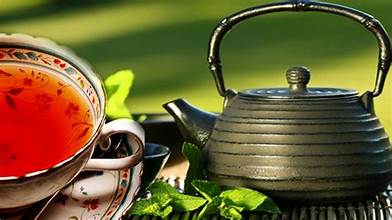
The story of Ceylon tea is one of transformation and unparalleled quality. In the 1860s, the coffee blight that devastated Sri Lanka’s plantations led to a remarkable pivot. Planters turned to Camellia sinensis, and the cool, misty hills of the central highlands proved to be the perfect terroir, giving birth to an industry that would make the name “Ceylon” synonymous with the world’s finest tea.a
Today, it is a cornerstone of Sri Lankan identity and a benchmark for tea connoisseurs globally. Its reputation for “brisk flavour, bright liquor, and fragrant aroma” is built upon a foundation of unique terroir, artisanal craftsmanship, and a living heritage. For the discerning traveler, the journey into this world is not just a tasting; it’s a deep immersion into a culture of elegance and refinement.

The Essence of Elegance: What Makes Ceylon Tea So Special
The Sanctity of Terroir
The magic of Ceylon tea begins with the land. The island’s varied elevations, monsoon winds, and rich soils create distinct flavor regions, each celebrated for its unique profile:
Nuwara Eliya (High-grown): Often called the “Champagne of Ceylon Teas,” these delicate teas from the highest estates offer light, floral notes with a characteristic citrusy brightness.
Uva & Dimbula (High-grown): Influenced by seasonal monsoon winds, Uva produces teas with a distinctive smoothness and woody undertones, while Dimbula is celebrated for its mellow, refreshing character.
Kandy (Mid-grown): Grown around the ancient royal capital, these teas are full-bodied and strong, often with rich, malty or chocolaty notes.
Ruhuna (Low-grown): From the warmer southern plains come bold, robust teas known for their dark liquor and pronounced caramel sweetness.
The Mark of Authenticity
True Ceylon tea carries a badge of honor: the Lion Logo, registered and granted by the Sri Lanka Tea Board. This mark is your guarantee of 100% pure, unblended Ceylon tea, grown, plucked, and manufactured entirely on the island.
A Spectrum of Sophistication
Ceylon’s expertise extends beyond its famous black tea to a full spectrum of artisanal types, each a testament to skilled processing:
Ceylon Black Tea: The quintessential expression, ranging from bright and brisk to full and malty.
Ceylon White Tea (Silver Tips): The rarest and most delicate, made from the youngest, silvery buds, yielding a naturally sweet, subtle brew.
Ceylon Green Tea: Lighter and fresher with grassy notes, prized for its antioxidant properties.
Ceylon Oolong Tea: A masterful balance, offering the complexity of partial oxidation with floral and fruity aromas.

Palaces of the Leaf: Luxury Tasting Experiences
For the luxury traveler, appreciating Ceylon tea is best done where it is born. The most exclusive experiences are not in shops, but within the living, breathing heart of the tea country itself. These exceptional settings range from immersive estate stays to sophisticated urban retreats, each offering a unique journey into the world of fine tea.
Ceylon Tea Trails – https://www.resplendentceylon.com/resort/ceylon-tea-trails/ | +94 77 058 2347 | Dunkeld Estate, Hatton, Sri Lanka.
t-Lounge by Dilmah – https://www.dilmaht-lounge.com/ | 62/2, Chatham Street, Colombo 01 | 100, Horton Place, Colombo 07 | One Galle Face Mall, Colombo.

The Art of the Perfect Cup
To honor the quality of Ceylon tea, precision in brewing is key:
Water: Always use fresh, filtered water.
Temperature: Respect the leaf. Use just-boiled water (95-100°C) for black tea, but cooler water (70-85°C) for more delicate green and white teas to avoid bitterness.
Time: Steep for 3-5 minutes for black tea, and 2-3 minutes for green tea.
Savor: High-grown teas like Nuwara Eliya are best enjoyed plain to appreciate their complexity, while a slice of lemon can enhance their citrus notes. The bolder, low-grown teas stand up beautifully to a splash of milk.
Ultimately, Ceylon tea is more than a beverage; it is an heirloom. Each cup holds the mist of highland mornings, the skill of generations of planters, and the vibrant soul of Sri Lanka. It is an invitation to pause, to savor, and to experience the pinnacle of what a single leaf can offer.