
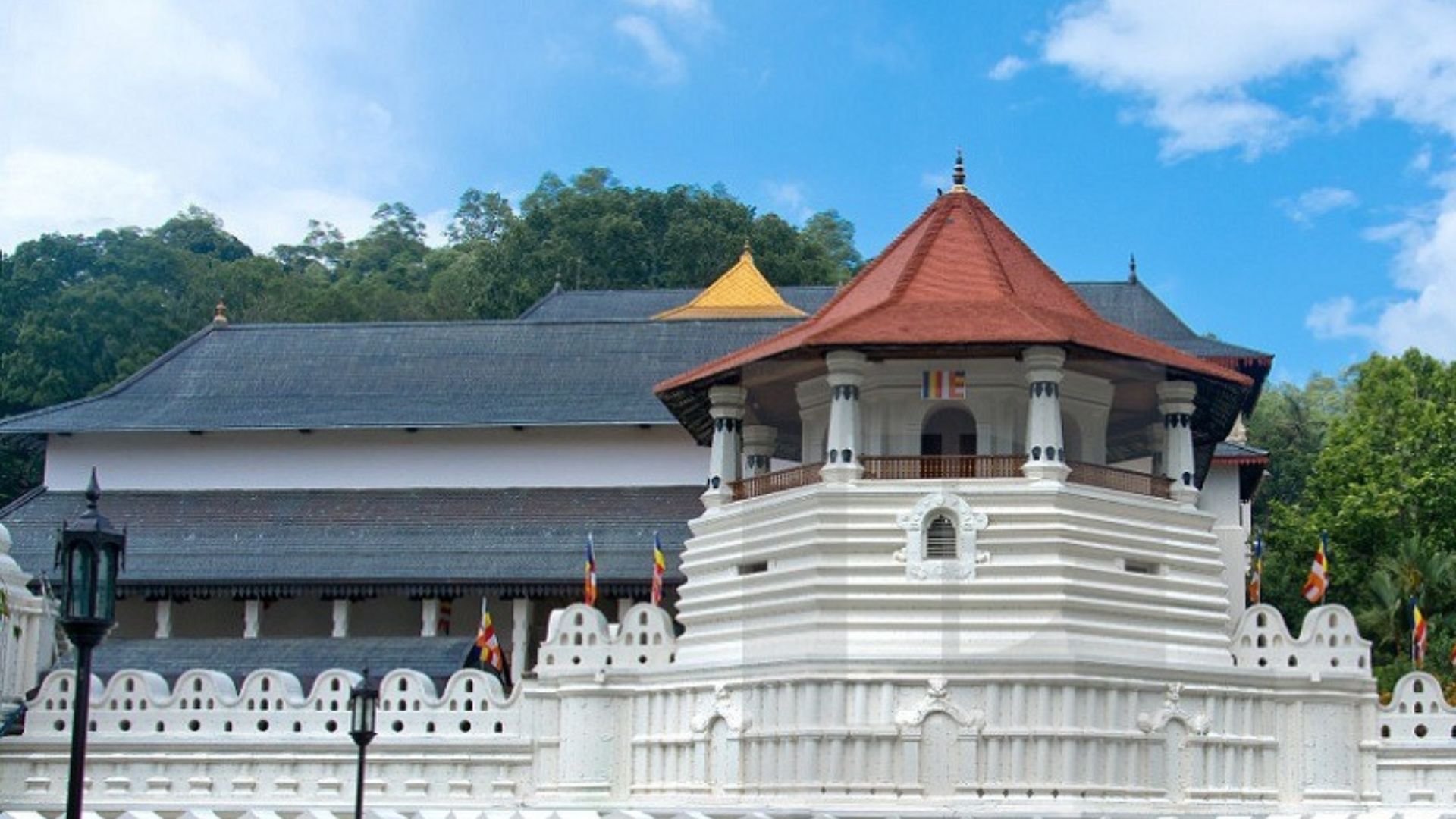
Beyond the crowds and the guidebooks, the true power of the Temple of the Sacred Tooth Relic awaits. For those who seek not just to see, but to feel the soul of Sri Lanka, there is a way to experience its profound serenity. The key lies in understanding, not just visiting. This is your invitation to move beyond the role of tourist and step into the space as a respectful guest, unlocking an experience most will miss.
For the discerning traveler, the goal is not merely to see, but to experience it without missteps. Consider this your efficient guide to honoring tradition and unlocking the profound serenity.

The Unspoken Rule: Pragmatic Dress Code to Respect for a Sacred Temple of Tooth Relic
As a UNESCO World Heritage Site and a functioning temple where daily rituals and prayers are held, the Temple of the Tooth Relic requires a specific dress code rooted in respect for its sacredness, not mere formality. In Sri Lankan Buddhist culture, wearing white or light colored clothing is a sign of purity and peaceful intention. Furthermore, modest, non-revealing attire demonstrates reverence for the Buddha and the thousands of devotees who visit to pray. Visitors who dress respectfully are not only welcomed warmly but are also better able to immerse themselves in and experience the temple’s profound spiritual atmosphere.
What to Avoid:
Leave the shorts, sleeveless tops, and tight-fitting cloths.

Sacred Customs: The 5 Minute Etiquette Briefing
Your respectful appearance grants you entry, but your behavior unlocks a true connection.
Enter with Quiet Intention
Upon stepping into the temple, consciously lower your voice to a hushed tone. This is a vital act of respect, as you are entering a living, active place of worship where prayer and meditation are ongoing. It is a sacred space and your quiet demeanor allows the spiritual atmosphere to remain undisturbed for all.
Walk the Clockwise Path
When you approach the main relic chamber, join the timeless, meditative practice of moving in a clockwise direction. This circular path is a silent ritual of reverence, followed by devotees for centuries.
Photograph with Discretion
Your presence should be unobtrusive. Ensure your phone is silenced and your flash is disabled, allowing rituals and prayers to continue undisturbed by your documentation.
Honor the Relic
A fundamental sign of respect is to never point your feet towards the sacred relic chamber or any statue of the Buddha. This is considered a profound gesture of disrespect in Sri Lankan culture.

Theva or Daily Services
The daily rituals performed for the Sacred Tooth Relic is called “Theva” or Services, and there are three services. Early Morning Service, Mid Day Service and the Evening Service.

Early Morning Service 5.30 AM – 7.30 AM
The Early Morning Service begins with the beating of Hewisi drums. Attendees wait for the caretakers to open the doors in a specific sequence: first the silver door, then the golden door. The service mirrors the devotion once offered to the living Buddha, with rituals involving offerings of Jasmine flowers (“Saman Pichcha”) and others. These are presented and removed with great reverence according to a strict procedure, starting with silver vessels and ending with gold. A single, specially assigned monk is the only person permitted to handle these sacred vessels.
Mid Day Service 9.30 AM – 11.00 AM
The Mid-Day Service, or “Buddha Pooja,” is the daily meal offering to the Buddha. After lighting oil lamps and removing withered flowers, the official known as the “Geparala” presents the silver tray of Jasmine flowers (“Saman Pichcha”). The conch blower and officials then bring the ceremonial meals. The same dedicated monk who handled the morning vessels removes the offerings to the sound of ceremonial “Maghul Bera” drumming. The ceremony concludes with an official inspection before the doors are closed.
Evening Service 6.30 PM – 8.00 PM
The Evening Service begins with the replacement of old flowers with fresh offerings amid Hewisi drumming. This ritual involves presenting “Gilan Pasa” , the ceremonial juices offered in specific vessels: three small goblets containing Sugar, Sukiri, and Kithul palm sap (“Althelijja”), followed by a combination of gold and silver goblets holding Honey, Ginger Juice, and Ghee. A second Gilan Pasa offering, introduced during King Keerthi Sri Rajasinghe’s reign, completes the service.

By embracing these customs, you transform your visit from a simple tour into a moment of genuine connection. This mindful approach is the key to unlocking the temple’s true essence. It allows you to move beyond the role of an observer and, even for a short while, become a part of the living tradition that gives this sacred place its profound and enduring serenity.