
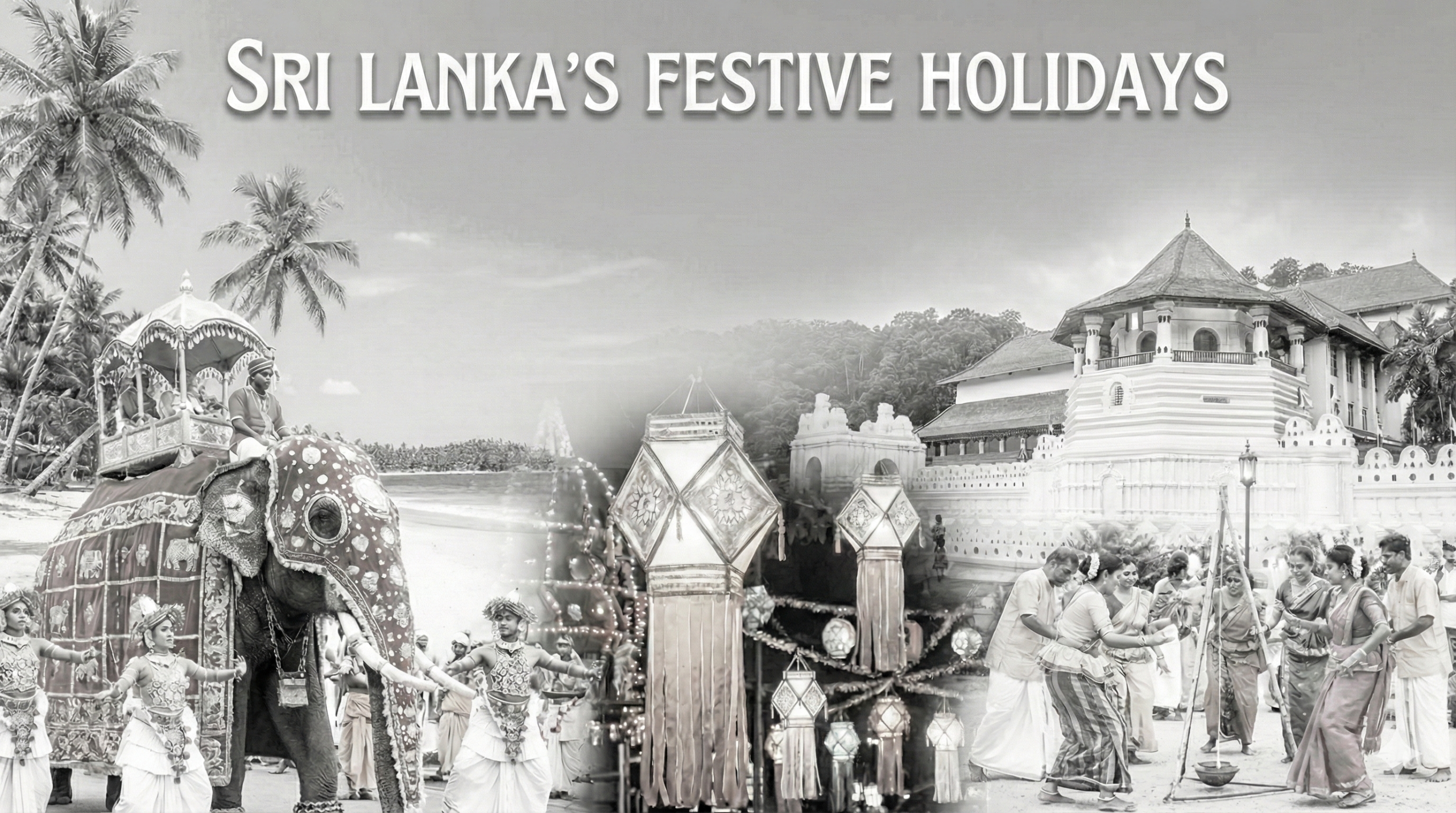
Planning a trip to Sri Lanka involves more than just booking flights and hotels. Understanding the country’s unique holiday calendar is essential, as the closure of banks, government offices, and many businesses can directly impact your itinerary. With a rich blend of Buddhist, Hindu, Muslim, and Christian festivals, Sri Lanka’s public holidays are a vibrant reflection of its cultural diversity. This guide will help you decode the different types of holidays and show you how to use the official calendar to plan a smooth and culturally enriching visit.
Decoding Sri Lanka’s Three-Tier Holiday System
Unlike many countries with a single list of public holidays, Sri Lanka officially recognizes three main categories, which affect different sectors. Here’s what you need to know:
Public Holidays (
P): These are nationwide holidays observed by all government institutions, schools, and most private sector organizations. Many shops and services may also be closed or have reduced hours. This is the most comprehensive category for tourists to note.Bank Holidays (
B): As the name suggests, these are days when all commercial banks and the Central Bank of Sri Lanka are closed. This category includes every Saturday and Sunday in addition to the specific dates listed. If you need banking services, currency exchange at a bank, or ATM access (which can sometimes be limited on holidays), plan around these days.Mercantile Holidays (
M): This category is particularly important for business travelers and those needing to interact with the corporate or government sectors. These are holidays for the mercantile sector, which includes many offices, trading companies, and government administrative offices. Key festivals like the Sinhala & Tamil New Year and May Day fall under this category.
Planning Tip: When checking a calendar, look for the codes B, P, and M. A day marked with all three (like Sinhala & Tamil New Year) means a near-complete national shutdown, while a “B-P” day means banks and government offices are closed but some private shops may still be open.
For the definitive list of Sri Lanka’s Bank (B), Public (P), and Mercantile (M) holidays, the Central Bank of Sri Lanka (CBSL) is the official source. You can find their annual calendar at www.cbsl.gov.lk.
How to Use the Calendar for Smart Travel Planning
Armed with the knowledge above, you can use the official holiday calendar as a practical planning tool:
Identify Potential Disruptions First: Before locking in your itinerary, cross-reference your travel dates with the official list from a source like the Central Bank of Sri Lanka. Mark the days with
B-PorB-P-Mcodes.Plan Logistics Around Closures: Schedule activities that require official services (like visiting a bank, government museum, or post office) on regular weekdays. Avoid planning internal travel on the eve of major festivals like New Year or Vesak, as roads can be extremely congested.
Embrace the Celebration: Instead of seeing a holiday as an obstacle, view it as a unique cultural opportunity. Attend a Vesak lantern display, witness New Year rituals, or visit a temple on a Poya day to see locals making offerings.
Prepare for Limited Services: On major holidays, especially Poya days, remember that alcohol is not sold in shops, bars, or restaurants. Major supermarkets also do not sell fresh meat or fish. Plan meals accordingly.
By understanding Sri Lanka’s holiday system, you transform potential travel hiccups into opportunities for deeper cultural immersion. The rhythm of the island’s festivals is the heartbeat of its people, and planning around them is the key to a truly stunning Sri Lankan experience.